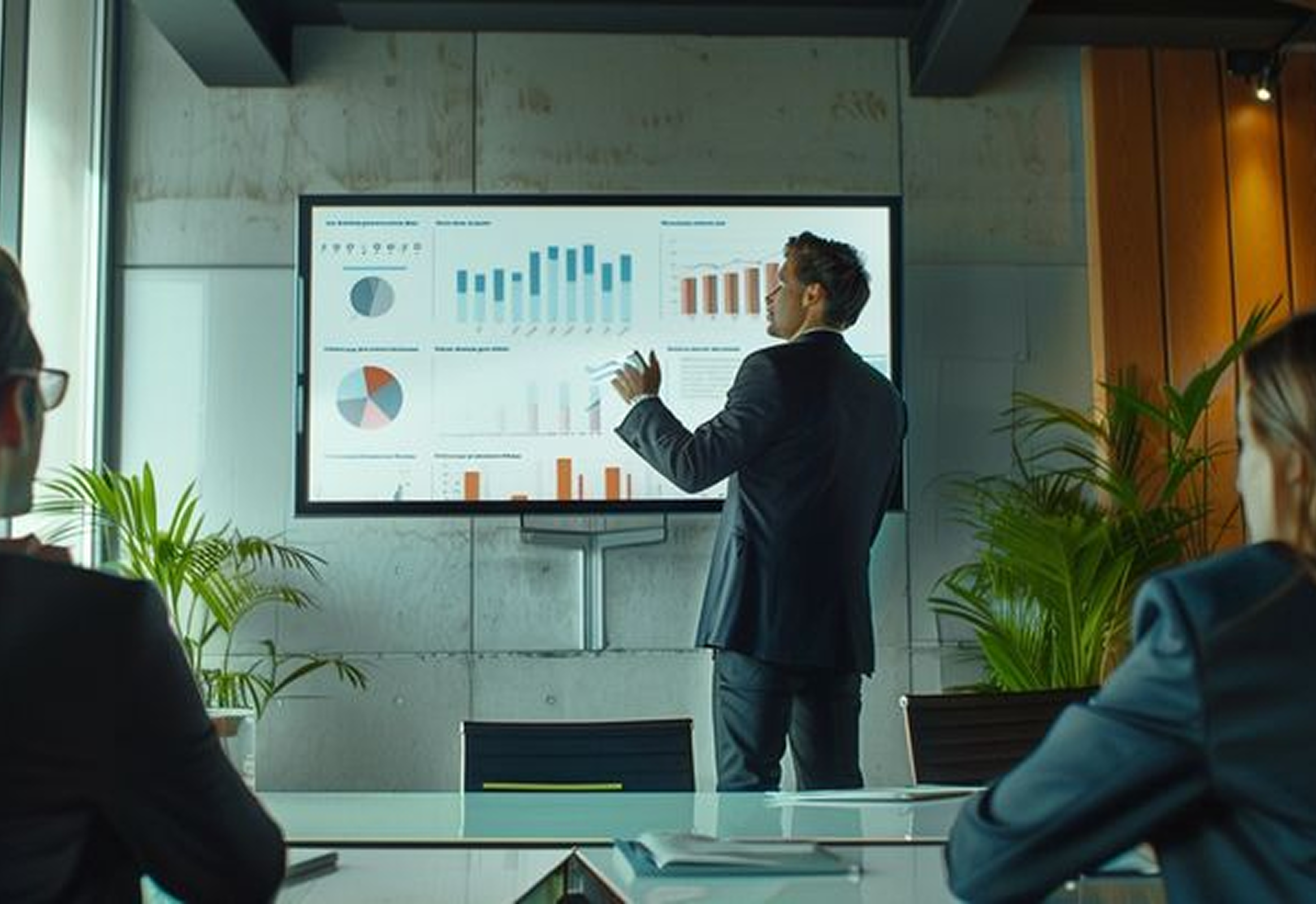



The software development landscape in the US is evolving rapidly. In 2025, technologies like AI, automation, and cloud computing are not just buzzwords—they're fundamentals. Companies that adapt to these trends will lead their industries, while those that don't risk falling behind. Here's what's shaping the future of software development in America.
The Rise of AI-Powered Development
AI is no longer just a feature—it's embedded in the development process itself.
Key trends:
- GitHub Copilot and AI code assistants accelerating development
- AI-driven testing and bug detection
- Natural language to code generation
- Automated code reviews and optimization
- Predictive analytics for project management
Developers who embrace AI tools are 30-40% more productive than those who don't.
Automation in DevOps and CI/CD
Continuous Integration and Continuous Deployment (CI/CD) pipelines are now fully automated in leading tech companies.
What's trending:
- Infrastructure as Code (IaC) with Terraform and Ansible
- Automated deployment pipelines
- Self-healing systems and auto-scaling
- GitOps for deployment management
- Container orchestration with Kubernetes
Automation reduces deployment time from days to minutes.
Cloud-Native Architecture
Building for the cloud is now the default, not an afterthought.
Cloud trends in 2025:
- Serverless computing (AWS Lambda, Azure Functions)
- Multi-cloud strategies to avoid vendor lock-in
- Microservices architecture for scalability
- API-first development
- Cloud cost optimization tools
Companies are moving from lift-and-shift to cloud-native redesigns.
Low-Code and No-Code Platforms
Not every solution needs custom code. Low-code platforms are empowering non-developers to build applications.
Popular platforms:
- Bubble, Webflow for web apps
- Zapier, Make for workflow automation
- Airtable for database-driven apps
- Retool for internal tools
This trend is reducing development backlogs and democratizing software creation.
Cybersecurity as a Priority
With increasing cyber threats, security is now integrated from day one of development.
Security trends:
- Shift-left security (testing early in development)
- Zero Trust architecture
- Automated vulnerability scanning
- Secure by default coding practices
- Compliance automation (SOC 2, ISO 27001)
Security is no longer just the responsibility of a separate team—it's everyone's job.
Edge Computing
Processing data closer to the source is becoming critical for performance-sensitive applications.
Use cases:
- IoT device management
- Real-time data processing
- Content delivery networks (CDNs)
- Autonomous vehicles and robotics
Edge computing reduces latency and bandwidth costs.
Sustainability in Tech
Tech companies are prioritizing green software practices.
How developers are contributing:
- Optimizing code for energy efficiency
- Using renewable energy-powered data centers
- Carbon-aware computing
- Reducing waste in development processes
Sustainability is becoming a competitive advantage, not just a moral imperative.
Final Thoughts
The US software development industry in 2025 is defined by speed, intelligence, and responsibility. AI is accelerating development, automation is reducing errors, and cloud computing is enabling limitless scale. Companies that invest in these trends today will be the leaders of tomorrow.